Fitness culture can have a short memory. Every few years, a new format captures the collective imagination. But something different has been happening lately. Instead of one trend displacing the last, a handful of distinct approaches have taken hold at the same time, each attracting a different kind of devotion.
We’re spotlighting three fitness trends, all focused on training with intention and building fitness that transfers to real life. And while boutique studios have driven much of their visibility, these trends do not require a specialized facility or premium membership. The well-equipped fitness center in your Livano community is all the infrastructure you need.
Functional strength
For a long time, gym culture was dominated by two things: aesthetics and isolation. Leg day meant leg press. Chest day meant bench press. The goal was the mirror.
That’s changing. Functional strength training — which focuses on movement patterns rather than individual muscles — has moved from physical therapy clinics and sports performance centers into mainstream fitness, and it’s not hard to see why. Research on longevity and healthspan makes a compelling case: the ability to carry, hinge, push, and stabilize through a full range of motion predicts quality of life in ways that bicep circumference simply doesn’t.
The framework is built around fundamental human movements: the squat, the hinge, the push, the pull, the carry, and rotation. Instead of training muscles in isolation (a leg extension targeting the quads, a lat pulldown targeting one specific range) functional training loads those patterns in ways that require the whole body to coordinate. A goblet squat teaches the same mechanics as picking something up off the floor. A single-arm cable row trains the same muscles as closing a door while carrying groceries. The carryover to daily life is almost immediate, which is part of why it resonates with people who aren’t training for sport: they just want to feel capable.
Coaches and researchers have pushed this framework into popular conversation over the last few years, reframing fitness as preparation for the “last decade of life.” The goal isn’t just to be strong at 35, it’s to still be able to get off the floor unassisted, carry your own luggage, and climb stairs without a second thought at 80. Functional training is the most direct path to that.
In practice, getting started doesn’t require a dramatic overhaul of your routine. Swap one isolation movement for a compound alternative each session. Replace leg extensions with goblet squats. Replace cable flyes with
a landmine press. Add a set of single-arm dumbbell carries to the end of your workout. The equipment footprint is small — a set of dumbbells or kettlebells and a cable system cover most of what you need. A well-stocked free weight area, the kind in your Livano fitness center, is genuinely all the setup required. The programming is the work; the equipment is already there.
Hyrox
The format is straightforward: eight one-kilometer runs, each followed by one functional workout station — rowing, ski erg, sled push, sled pull, burpee broad jumps, kettlebell farmer’s carry, sandbag lunges, and wall balls. You race against the clock, log your time, and come back to beat it.
What makes Hyrox different from a triathlon or a CrossFit competition is the accessibility. The movements are standard. The format never changes. That means every finish time is comparable, whether you raced in Chicago, London, or
Sydney. There’s no learning curve for the sport itself,
just the fitness curve that comes with training for it.
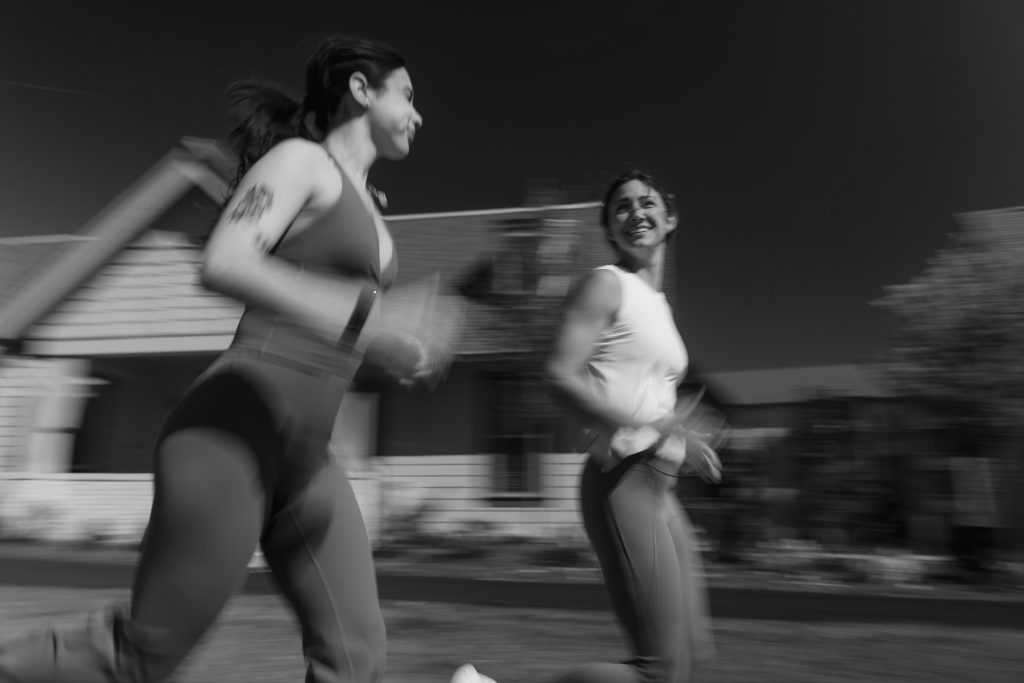
The community aspect of Hyrox has driven a lot of the growth. Hyrox athletes tend to train together, share workouts online, and treat race day like a reunion. Amateur divisions mean you’re competing against people at your level, not elite athletes.And unlike a marathon, which demands months of running-specific prep, Hyrox rewards a broad base of fitness; you don’t need to specialize, you just need to be well-rounded.
To start training, you don’t need to register
for a race first. Begin with the individual movements: row intervals, ski erg repeats, loaded carries, and wall balls. Build your aerobic capacity alongside your strength. A good early goal is to complete any single Hyrox station at race weight — 24kg for men, 16kg for women — without stopping. From there, you string them together.
Your Livano fitness center has a rower, ski erg, and a functional training area stocked with kettlebells, which means you can log serious prep without ever leaving your building. Register for a local event when the training feels solid — or just use the format as a structure for your own workouts. Either way, the programming writes itself.
Reformer Pilates
Reformer Pilates has been around since the 1920s.
So why does it feel like everyone discovered it last year?
The short answer is that the rest of the fitness world finally caught up. As more people — athletes, physical therapists, trainers — started prioritizing movement quality over volume, reformer Pilates started making sense in a new way. It builds genuine strength through a full range of motion. It’s demanding without being punishing. And unlike a lot of trendy fitness formats, it has a century of clinical backing.
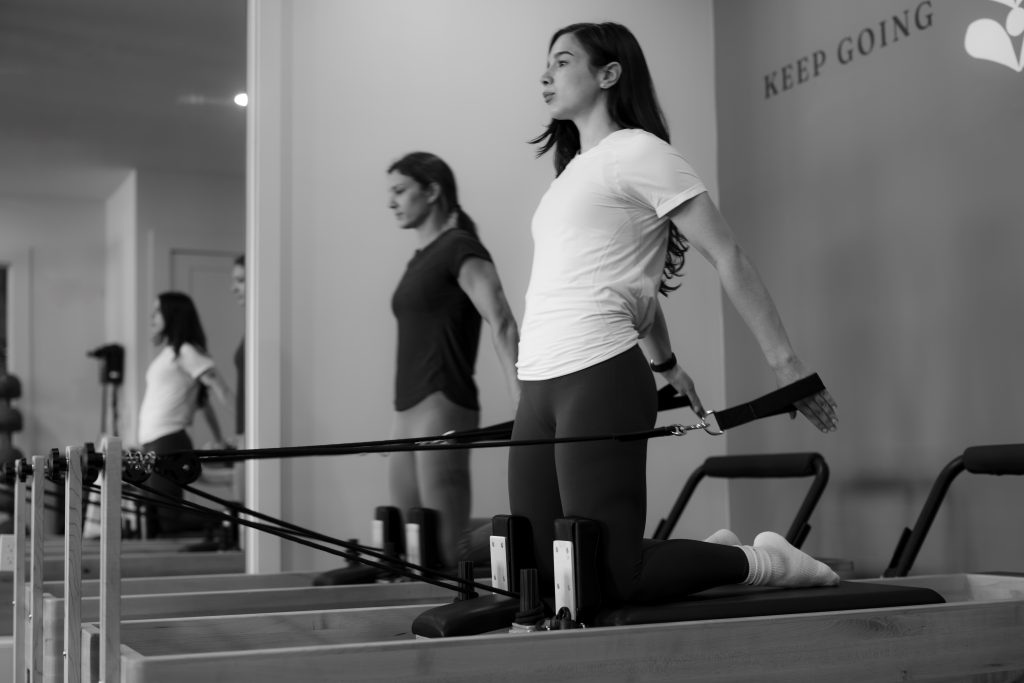
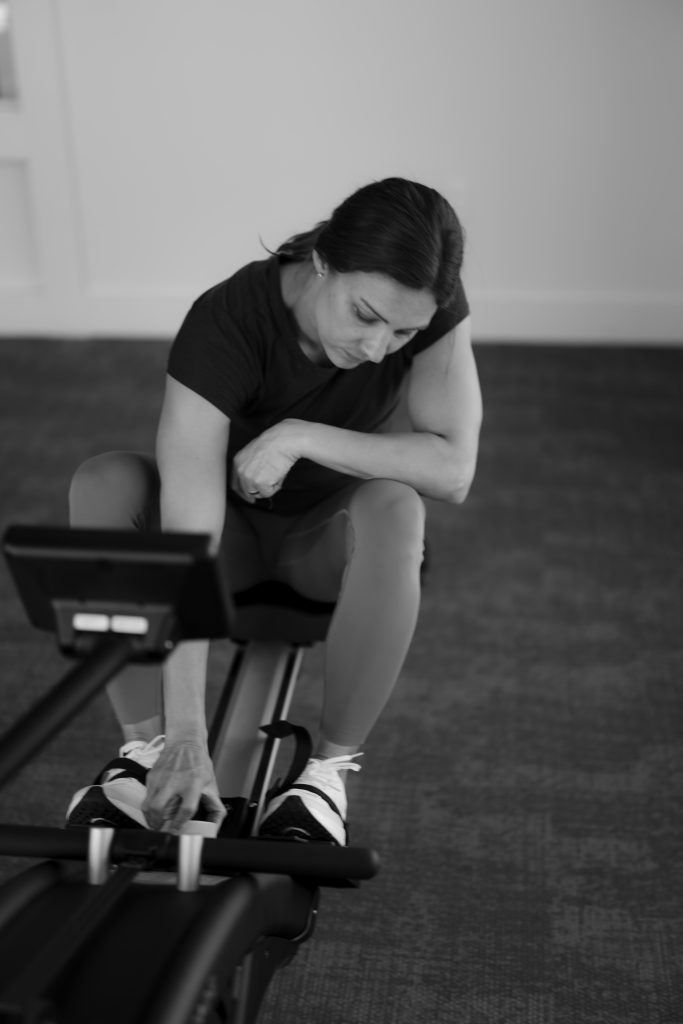
The reformer itself is a spring-loaded carriage on a sliding frame, with a foot bar, straps, and adjustable resistance.
That resistance can assist a movement or resist it, which
makes the same piece of equipment useful for a first-timer
and a seasoned practitioner. There’s no version of the reformer you age out of — it’s used in physical therapy, elite athletic training, and prenatal fitness for the same reason: it meets
you where you are.
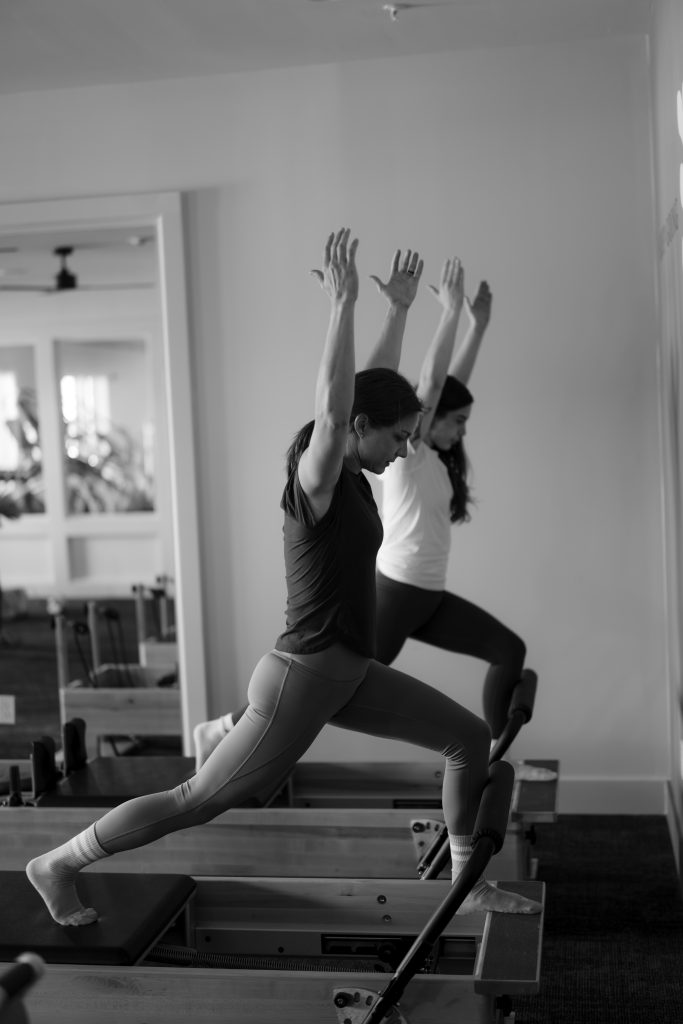
What a reformer session actually feels like is harder to describe. The movements are controlled and deliberate — nothing is ballistic, nothing is rushed — but the difficulty accumulates. You’ll feel muscles working that a conventional gym routine rarely reaches. The core engagement is constant, not because you’re doing crunches, but because most movements require stabilization across the whole trunk. People who’ve trained for years often find reformer Pilates humbling in the best way.